

Waste clearance Shell Centre Southbank Waterloo venues
Posted on 02/09/2026
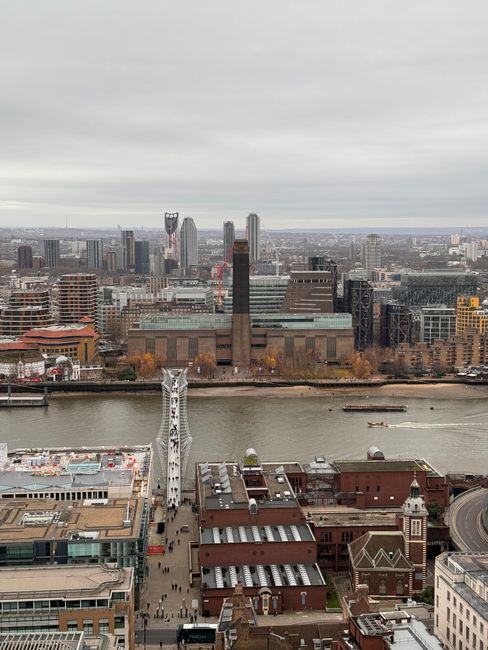
Waste clearance Shell Centre Southbank Waterloo venues: a practical guide for venues, managers, and event teams
If you are dealing with waste clearance Shell Centre Southbank Waterloo venues, you are usually juggling more than just rubbish. There is the public-facing image of the venue, tight turnaround times, shared access routes, noisy load-in and load-out windows, and the ever-present pressure to keep things tidy without disrupting guests, staff, or neighbouring businesses. In a place like Waterloo, where venues sit close to transport hubs, offices, attractions, and residential streets, clearance needs to be organised, discreet, and fast. Not glamorous, perhaps. But absolutely essential.
This guide breaks down how venue waste clearance works, why it matters, what to watch out for, and how to approach it sensibly. It also covers practical steps, compliance basics, and the common mistakes that can turn a simple job into a messy one. If you manage events, run a hospitality space, or support operations around the Shell Centre and Southbank area, this is for you.
Why waste clearance matters in Shell Centre, Southbank and Waterloo venues
Venue clearance in this part of London is not the same as clearing a house on a quiet suburban street. The setting changes everything. Spaces around the Shell Centre and Southbank tend to have limited service access, busy pedestrian flow, security controls, and specific timing windows for collections. Add in event schedules, exhibitions, temporary installations, hospitality waste, packaging, broken furniture, or post-build clutter, and you can see why the process needs a bit of planning.
There is also the public image side. A venue that looks clean and organised feels safer, easier to navigate, and better managed. Guests notice the small things: a stack of cardboard by a service door, a bin area that smells on a warm afternoon, or leftover event waste waiting too long in a corridor. Truth be told, people may not praise clean back-of-house areas, but they absolutely notice when those areas are neglected.
In Waterloo, where venues are often close to offices, commuter routes, and mixed-use buildings, waste can build up quickly after an event, refurbishment, or seasonal rush. If you are close to the river or major footfall routes, the pressure is even higher. You need clearance that is efficient, careful, and respectful of neighbours.
For wider local context, it can help to understand the rhythm of the area through resources like a local walk through Waterloo and practical notes on rubbish clearance near Waterloo Station. That kind of everyday awareness matters when you are trying to move waste in a busy district without creating friction.
How waste clearance Shell Centre Southbank Waterloo venues works
At a practical level, venue waste clearance usually follows a fairly simple pattern: assess the waste, separate what can be reused or recycled, remove the items safely, and dispose of them through the right channels. The details, though, can vary a lot depending on the venue type.
For example, a theatre foyer after a long run of events may need removal of cardboard, packaging, broken displays, and old promotional materials. A conference space may generate a mix of paper waste, bottles, catering leftovers, and outdated furniture. A hospitality venue could have heavier daily volumes, especially if there is a back-of-house fit-out or a change in stockroom layout. No two clearances are identical. That is part of the job.
Good clearance work begins with a clear site view. Where is the waste stored? Is there lift access? Are there loading restrictions? Is a permit needed for parking or stopping? Does security need advance notice? These are the little questions that save the day later. Miss them, and you can end up with delays that feel painfully unnecessary.
When planning a larger removal, some venues also benefit from looking at related services. For mixed waste or commercial overflow, general waste clearance in Waterloo can be a useful base service. If the job includes desks, shelving, or worn seating, furniture disposal in Waterloo may be more suitable. If the area is being reset after a build or revamp, builders waste disposal is often the better fit.
Most importantly, proper clearance should be orderly. Waste should not be dragged through guest areas unless there is no alternative. Staff should know what is happening. And if the job is sensitive, the team should work quietly and move in a way that feels almost invisible. That is the standard, really.
Key benefits and practical advantages
There are obvious benefits to keeping venue waste under control, but the less obvious ones matter just as much. Here is what good waste clearance tends to improve.
- Guest experience: Cleaner public areas, safer walkways, and fewer awkward messes near entrances or service points.
- Operational flow: Staff spend less time moving waste around, which frees them up for the actual event or venue operation.
- Space efficiency: Storage rooms, corridors, and service yards stop becoming accidental dumping grounds.
- Compliance confidence: Waste is handled in a way that supports responsible disposal and traceability.
- Neighbour relations: Better timing and cleaner handling reduce complaints from nearby businesses, residents, or passing foot traffic.
- Brand reputation: A tidy venue simply feels more professional. There is no real way around that.
There is also a sustainability angle. Many venues now want clearer separation of recyclables and reusable items. That does not mean every single thing can be saved, of course, but it does mean there is usually room to divert cardboard, metals, some plastics, and suitable furniture away from general waste. If sustainability is part of your venue policy, take a look at recycling and sustainability practices for a broader sense of how responsible disposal is approached.
One small but important benefit is staff morale. People feel better working in a space that is not cluttered with old boxes, damaged props, or forgotten event debris. It sounds minor. It is not minor. A clean back-of-house area makes the whole place feel less chaotic, especially during a busy Thursday evening or the half-hour before doors open.
Who this is for and when it makes sense
This kind of clearance is useful for a wide mix of people. If you run venues, you likely already know the pressure points. If you support operations or property management, you may be the person quietly arranging the clean-up after everyone else has moved on. Classic job, that. A bit invisible, but very important.
It makes sense when you are dealing with:
- post-event waste after conferences, launches, performances, or private functions
- refreshes after a change of layout, decor, or seasonal fit-out
- old chairs, tables, counters, shelving, or display units
- cardboard, packaging, and stock waste from deliveries
- clearance after a refit, repair, or light building work
- overflow waste that regular collections cannot comfortably handle
It is also relevant if you are working across nearby areas and venues tied to Waterloo's wider commercial and cultural mix. If your team is balancing event bookings with property decisions, local context can help. For example, people managing venues sometimes also look at celebration spaces in Waterloo or even read about living in Waterloo to get a better feel for the local environment they work in every day.
And if you are managing a venue as part of a broader asset strategy, there is a commercial side too. A well-kept venue can support leasing, investment planning, and even resale considerations. That is why adjacent topics like buying real estate in Waterloo or selling homes in Waterloo can be surprisingly relevant in the background.
Step-by-step guidance
If you are organising waste clearance for a venue near Shell Centre, Southbank, or Waterloo, the simplest way to avoid stress is to treat it as a short project rather than a last-minute errand. Here is the process that tends to work best.
- Walk the site properly. Check storage areas, loading points, stair access, lifts, and any pinch points where waste might get stuck.
- Separate the waste type. Group items by category: furniture, cardboard, general rubbish, electrical items, mixed event waste, and anything hazardous or specialist.
- Confirm timing and access. Match the clearance window to the venue schedule. Early morning and late-night slots are often easiest, but not always.
- Protect the building. Use care around walls, floors, lifts, and guest areas. The clean-up should not create new damage, obviously.
- Arrange the right disposal route. Not everything belongs in the same vehicle or stream. A sensible team will sort what can be recycled, reused, or removed separately.
- Document what was removed. This is especially useful for larger venues, managed properties, or repeated service contracts.
- Do a final sweep. Check corners, under counters, behind temporary staging, and around service doors. The hidden bits are where surprises like to live.
Sometimes the site is straightforward. Sometimes it is a maze of narrow access, security gates, and "just one more thing" from the event team. You know how it goes. A careful schedule, a realistic estimate of loading time, and a clear point of contact usually solve most of it.
If the clearance involves a broader move-out or changing venue use, related services such as office clearance and house clearance can help you think in more structured terms, even if the venue is not exactly either of those.
Expert tips for better results
A good clearance is not only about removing waste. It is about reducing friction. A few simple habits can make a noticeable difference.
- Start with the heaviest items first. Move bulky pieces before smaller loose waste, otherwise you end up making the route more awkward than it needs to be.
- Keep a temporary staging zone. One neat holding area is better than waste spread across three rooms.
- Label containers clearly. Even handwritten labels help staff avoid mixing general waste with recyclables.
- Protect high-traffic floors. A simple floor cover can save a lot of trouble in reception areas and service corridors.
- Plan around peak movement times. If guests, deliveries, and clearance crews all try to move at once, it gets clumsy fast.
- Keep one person in charge. Too many decision-makers slows everything down. It really does.
One thing experienced venue teams know: it pays to ask what is hidden behind the obvious clutter. A stack of old chairs may also be hiding loose cables, signage, packaging, or broken fittings. Clear the visible waste, yes, but inspect the shadows too.
And if your venue sits near commuter-heavy streets or mixed-use buildings, timing becomes even more important. Clearing waste just before a busy arrival window can create avoidable pressure, whereas a quiet early slot tends to feel far smoother. It is a small thing, but it changes the whole mood of the job.

Common mistakes to avoid
Most clearance headaches are predictable. That is the slightly annoying part. They are avoidable, but only if you plan ahead.
- Leaving it until the last minute. This usually leads to rushed sorting and awkward access problems.
- Assuming all waste can be treated the same way. Venue waste often includes mixed materials that need different handling.
- Forgetting about security or building access. A clearance team can only move as fast as the access allows.
- Underestimating bulky furniture. Tables, banquettes, bars, and display units take more planning than they first appear to.
- Blocking exits or corridors. That creates both safety issues and operational bottlenecks.
- Ignoring recycling opportunities. It is easy to miss a good recycling stream when you are focused only on speed.
One more mistake, and this is a big one: not checking whether the venue's internal procedures require proof of disposal or a service summary. Some managers want that paper trail. Some do not. But when they do, scrambling for it afterwards is a nuisance nobody enjoys.
If a job feels too complex, that is usually because it is. There is no shame in breaking it into phases. Better a tidy, staged clearance than a heroic all-at-once attempt that goes slightly sideways.
Tools, resources and recommendations
The best tools are often the plain, practical ones. You do not need a flashy setup. You need organisation.
- Site plan or rough sketch: Useful for marking loading points, storage zones, lift access, and no-go areas.
- Photo inventory: A quick set of photos helps with estimating volume and identifying awkward items.
- Clear labels or coloured tape: Handy for sorting waste streams before collection.
- Protective coverings: Good for floors, corners, and door frames.
- Access notes: Simple written instructions for security, deliveries, and timing can prevent confusion.
For service planning and cost comparison, it is sensible to review the full services overview and, if you need budgeting clarity, pricing and quotes. That gives you a better sense of how different types of clearance may be approached without guessing.
If you need reassurance around operations, insurance and safety is a useful reference point. And for admin details, the pages on payment and security, privacy policy, and terms and conditions are helpful to check before booking. Small thing, maybe. But it avoids unwelcome surprises later.
Law, compliance, standards and best practice
For venue waste, the main principle is straightforward: waste should be handled responsibly, kept separate where practical, and sent for appropriate disposal or recovery. In the UK, commercial and venue operators are generally expected to use reputable carriers and keep sensible records where needed. The exact duty depends on the nature of the waste and the operation, so it is wise to apply caution rather than make assumptions.
Best practice usually includes:
- using a provider that can explain how waste is managed
- separating recyclables from mixed waste where reasonably possible
- keeping the site safe for staff, visitors, and contractors
- avoiding obstructing shared building routes or emergency exits
- respecting venue access rules, timing restrictions, and neighbouring premises
For businesses with larger or repeated clearance needs, it is sensible to ask about handling standards and how difficult items are processed. That includes bulky furniture, electrical equipment, and items that may need extra care. If the venue is in a managed building, check internal rules too. Sometimes the building's own procedures are stricter than the waste job itself, and that catches people out.
The cleanest approach is usually the quietest one: plan well, document simply, and keep things tidy from the outset. Nothing fancy. Just good practice.
Options, methods, or comparison table
There is more than one way to deal with venue waste. The right method depends on volume, urgency, access, and the type of material involved.
| Method | Best for | Strengths | Limitations |
|---|---|---|---|
| Ad hoc clearance | Small, occasional waste or one-off event leftovers | Flexible and simple to arrange | Can become inefficient if waste builds up repeatedly |
| Scheduled collections | Regular venue operations with predictable waste streams | Predictable, tidy, easier for staff to manage | Less suited to sudden bulky items or urgent clear-outs |
| Full clearance visit | Refits, closures, major event resets, or stockroom clean-outs | Efficient for large volumes and mixed items | Needs more planning and careful access control |
| Phase-by-phase removal | Complex sites, live venues, or spaces that cannot close fully | Minimises disruption and spreads work sensibly | Takes longer overall and needs tighter coordination |
For most Shell Centre, Southbank, and Waterloo venues, phase-by-phase removal or a planned full clearance tends to work best when operations are still live. If the space is already closed or between uses, a more decisive single-clearance approach may be easier. Depends on the week, the building, and the people involved. Real life, basically.
Case study or real-world example
Here is a realistic example. A mid-sized venue near the Southbank area has just finished a short seasonal programme. The back-of-house area now holds broken display pieces, large cardboard runs from deliveries, a few worn stools, and miscellaneous event materials that have somehow multiplied overnight. Staff need the space back quickly because a different event team is coming in the next morning.
The venue manager starts by identifying what can be recycled, what needs bulky removal, and what should simply be binned. They also check access windows with building security, because the loading route is shared with another tenant. Instead of trying to clear everything in one chaotic sweep, they stage the items near one service point, protect the floor, and remove the heaviest furniture first. Simple, but effective.
What made the difference? Not speed alone. It was the planning. The team knew the access route, grouped the waste, and left enough room for staff to still move around. The space looked bare by the end of the afternoon, but not battered. That matters more than people sometimes realise.
If a venue is used regularly, this sort of disciplined clear-out can become part of normal operations. And once it does, the whole place feels lighter. Less clutter, fewer surprises, fewer stressed conversations in the corridor. Lovely, really. Or at least, as lovely as waste clearance gets.
Practical checklist
Use this before any venue clearance near Shell Centre, Southbank, or Waterloo.
- Have you identified the exact waste types?
- Are there bulky items that need special handling?
- Do you know the access route and loading point?
- Have you checked security or building restrictions?
- Is the clearance timed around guest movement and deliveries?
- Have you set aside a temporary staging area?
- Are recyclables separated from mixed waste where possible?
- Have floors, corners, and exits been protected?
- Do staff know who is coordinating the job?
- Have you allowed time for a final sweep and sign-off?
Quick takeaway: the smoother the planning, the less disruptive the clearance. That is especially true in busy central London venues, where access is tight and expectations are high.
Get a free quote today and see how much you can save.
Conclusion
Waste clearance for Shell Centre, Southbank and Waterloo venues is really about control: control over timing, access, presentation, safety, and the flow of a busy space. Whether you are dealing with event leftovers, bulky furniture, refurbishment waste, or a complete venue reset, the same principles apply. Plan well, separate where you can, keep the site safe, and do not leave the awkward bits until the last minute.
In a part of London this busy, a good clearance is one that barely gets noticed by guests at all. That is the ideal. Quiet, tidy, efficient, done. If you get that part right, everything else around the venue tends to run a little more smoothly too. And that, to be fair, is the whole point.

 Tipper Van - Rubbish Removal and Property Clearance Prices in Waterloo, SE1
 Luton Van - Rubbish Removal and Property Clearance Prices in Waterloo, SE1

